Why Professional Mold Testing in Gettysburg PA Matters for Your Home
If you live in Gettysburg, you already know the humidity. Our summers hang thick and damp, and those old stone basements that give the town its character can trap moisture in ways that modern building materials never expected. I have walked through enough homes here to tell you that mold is not a question of if, but when. The real question is whether you catch it early or discover it when the drywall starts to peel.
Mold testing is the first step that most homeowners skip. They see a small patch of black in the corner, spray some bleach on it, and call it done. That approach works for a day, maybe a week. But mold is not a surface problem. It is a moisture problem that has already taken root. Without proper testing, you are guessing at the species, the extent, and the risk. That is why services like those offered by Gettysburg PA Mold Remediation Pros mold testing gettysburg pa are worth understanding before you assume the worst or ignore it altogether.
What Mold Testing Actually Tells You
A visual inspection is useful but limited. You can see the discoloration, maybe smell the mustiness. But you cannot tell if the spores are toxic, allergenic, or just a nuisance. Mold testing gives you species identification. That matters because black mold, aspergillus, and penicillium all demand different responses. Some are harmless to healthy adults but dangerous for infants or elderly family members. Others produce mycotoxins that can cause chronic respiratory issues over time.
Testing also tells you about airborne spore levels. You might have a visible patch in the bathroom, but the real problem could be in the crawlspace, where spores are circulating through your HVAC system. A surface test alone will miss that. Air sampling, combined with tape lifts and bulk samples, gives a complete picture. I have seen cases where a home passed a visual inspection but failed an air quality test badly. The family had been breathing elevated spore counts for months without knowing it.
When to Test and When to Just Remediate
Not every mold problem requires testing. If you have a small patch on a shower ceiling caused by steam and poor ventilation, cleaning it with a proper fungicide and fixing the airflow is usually enough. Testing in that scenario wastes money. But if the mold covers more than ten square feet, if it keeps returning after cleaning, or if anyone in the house has asthma or allergies, testing becomes essential.
I also recommend testing after any water intrusion, especially in Gettysburg where older homes have plaster walls and fieldstone foundations that dry slowly. A burst pipe in January, a roof leak during a spring thunderstorm, or a flooded basement from the creek rising all create conditions where mold can start growing within 24 to 48 hours. By the time you see it, the colony is already mature. Testing at that point tells you how far it has spread and whether the air is safe.
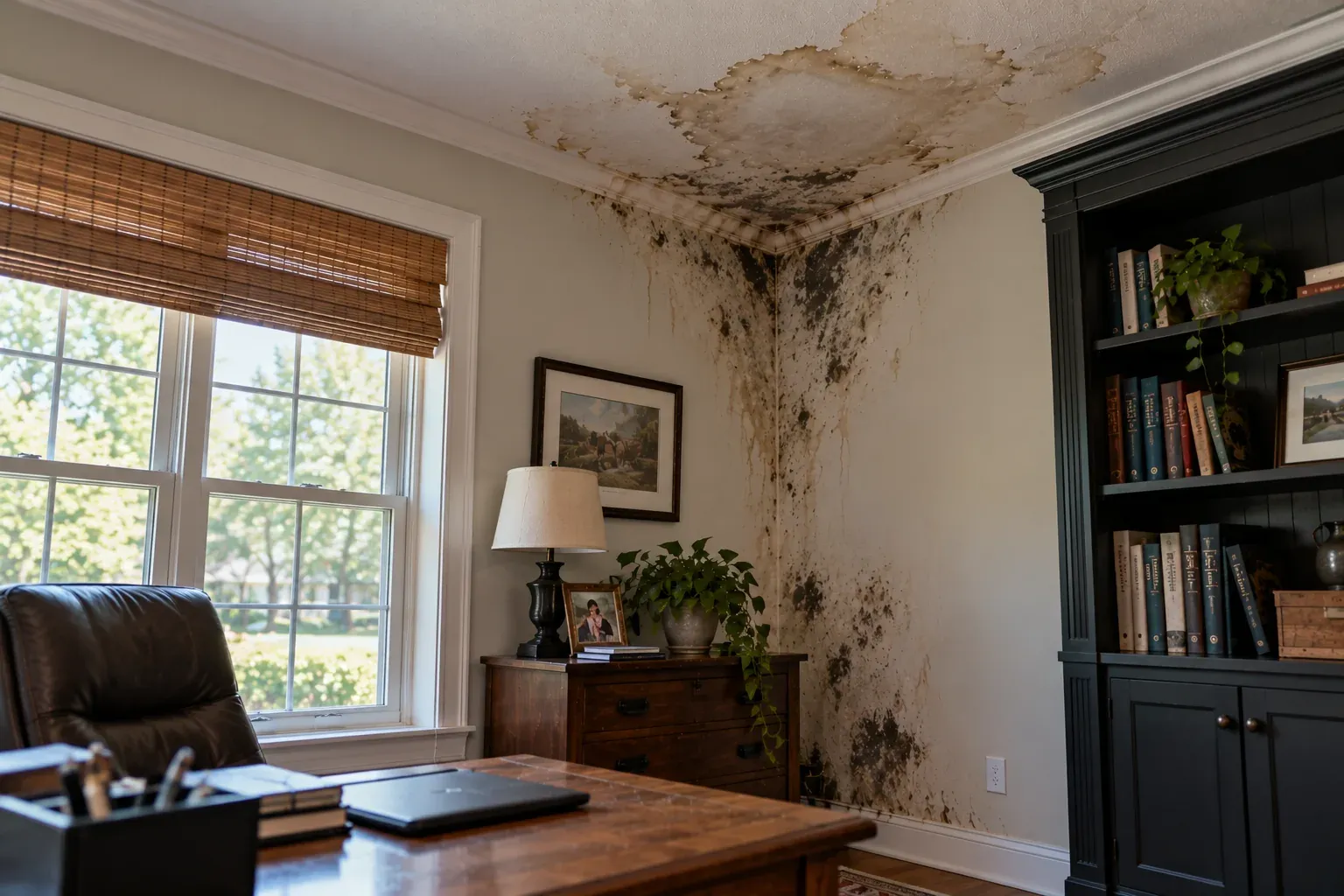
Another scenario is real estate transactions. If you are buying a home in Gettysburg, especially a historic property, mold testing should be part of your inspection contingency. Sellers may not know about a hidden leak or a damp crawlspace. A test gives you leverage to negotiate remediation or walk away. I have worked with buyers who skipped testing and later found themselves facing a full basement gut renovation.
The Difference Between DIY Testing and Professional Sampling
Home improvement stores sell mold test kits for about ten to forty dollars. You take a swab, send it to a lab, and wait for results. The problem is that DIY kits are unreliable. They often test only surface mold, and the lab analysis is basic. You might get back a report that says "mold present" without species or spore count. That tells you next to nothing.
Professional testing uses calibrated equipment and follows protocols that ensure accurate results. The technician takes multiple samples across different zones, including control samples from outside the home to establish a baseline. The lab analysis is detailed, often identifying genus and species. The cost is higher, but the information is actionable. You know exactly what you are dealing with and how to fix it.
One thing I tell homeowners is that professional testing also includes a thorough inspection of likely problem areas. The technician checks behind appliances, inside wall cavities, around window frames, and in attics and crawlspaces. They look for signs of moisture that you might miss. That is the value of an expert eye. You are not just paying for a lab report. You are paying for a diagnosis.
Reading Your Mold Test Results
A typical test result will list the species found, the spore count per cubic meter of air, and a comparison to outdoor levels. The outdoor baseline is important because mold spores are everywhere. A healthy home will have indoor spore levels lower than or equal to outdoor levels. If indoor levels are significantly higher, you have an amplification problem, meaning mold is actively growing somewhere inside.
Some species are more concerning than others. Stachybotrys chartarum, commonly called black mold, is a sign of chronic moisture and can produce mycotoxins. Aspergillus and Penicillium species are common allergens. Cladosporium is less harmful but still a respiratory irritant. The report should also note whether the levels are elevated enough to pose a health risk. If it does not, ask your tester to explain it in plain language. You should not need a microbiology degree to understand whether your family is safe.
Common Mistakes People Make After Testing
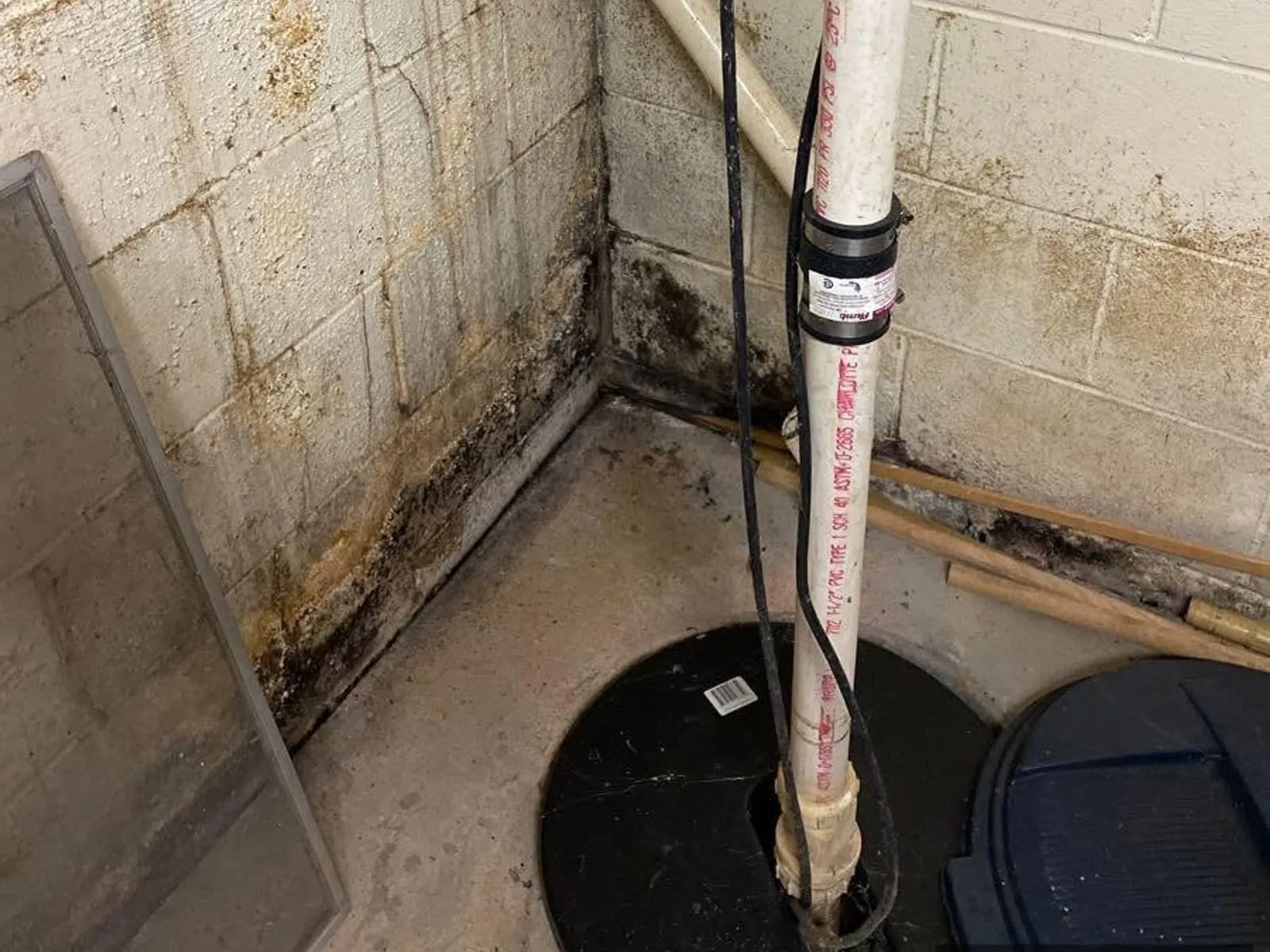
The most common mistake is testing but not acting on the results. I have seen homeowners spend three hundred dollars on testing, get back a report showing elevated aspergillus levels, and then just open a window. That does not solve the problem. The mold is still growing somewhere. The spores will keep circulating until you find the source and remove the infestation.
Another mistake is cleaning mold without addressing the moisture. You can scrub a surface until it looks clean, but if the wall cavity is still wet, the mold will return within weeks. Testing should always be followed by a plan that includes moisture control, whether that means fixing a leak, improving drainage, installing a dehumidifier, or sealing a foundation crack.
Some people also test at the wrong time of year. Mold spore levels fluctuate with the seasons. Testing in the middle of a dry winter might give you a false sense of safety. Summer testing, when humidity is highest, gives a more accurate picture of the worst-case scenario. If you are testing for a real estate transaction, try to do it during the wet season.
Why Local Expertise Matters in Gettysburg
Gettysburg has its own mold profile. The town's older homes were built with materials and methods that differ from modern construction. Stone foundations, plaster and lath walls, and unsealed crawlspaces create unique moisture dynamics. A tester who works only in new subdivisions might miss the signs that a local expert would catch immediately. That is why working with a company that knows the area, such as the team behind Gettysburg PA Mold Remediation Pros mold testing gettysburg pa, can make the difference between a thorough assessment and a superficial one.
Local knowledge also means understanding the common water issues here. Heavy rains can saturate the ground around a foundation, pushing moisture through the stone. The historic district has shared walls and older drainage systems. A tester familiar with these patterns knows where to look and what questions to ask. They will not treat your home like a generic box.
Putting It All Together
Mold testing is not a luxury. It is a practical step that protects your property and your health. The cost is small compared to the expense of a full remediation or the medical bills from prolonged exposure. If you suspect mold, test. If you are buying a home, test. If you have had a water leak, test. And when you do, use a professional who can give you answers, not guesses.
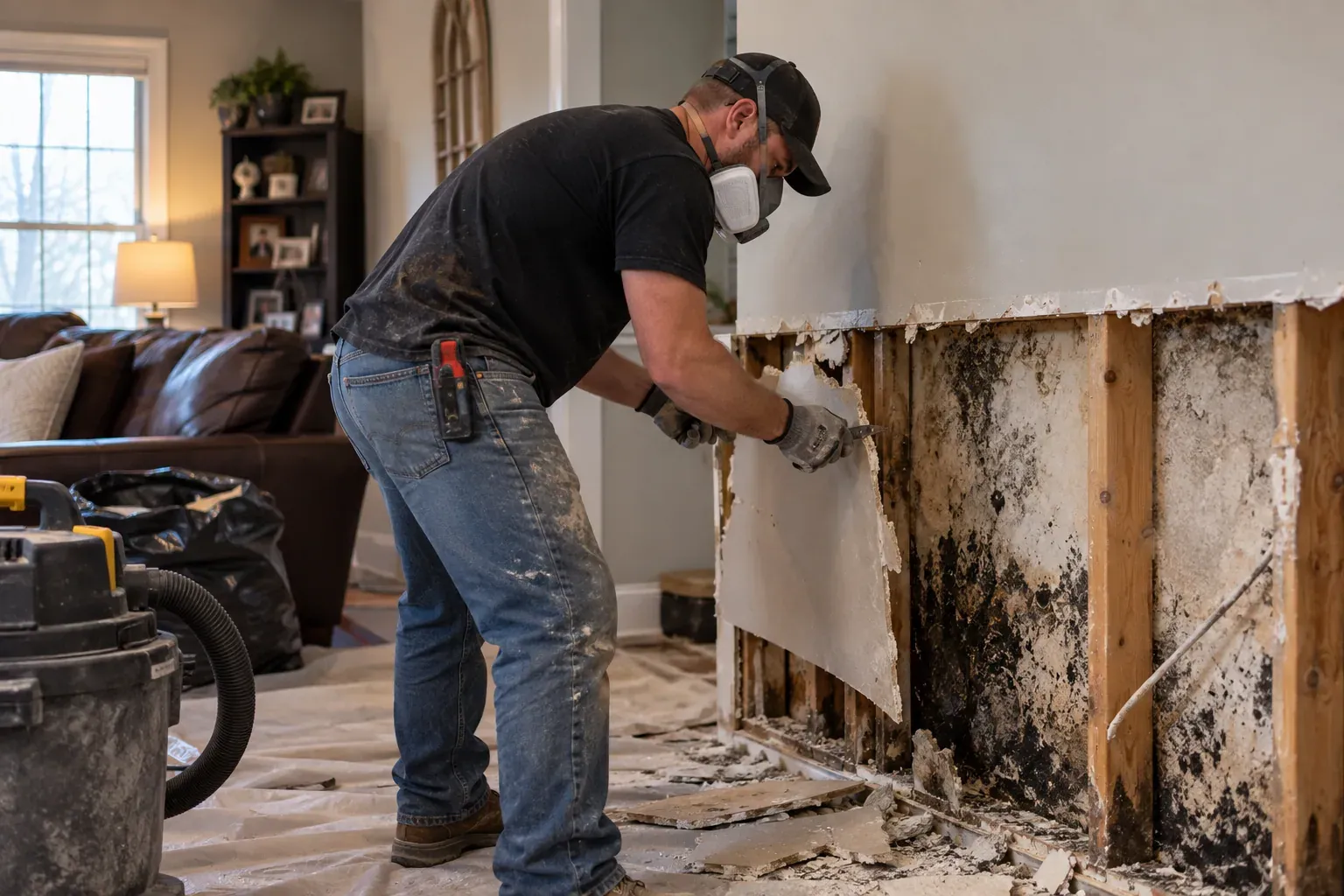
The goal is not to live in a sterile bubble. It is to know what is in your air and to make informed decisions about how to handle it. Whether you hire a specialist or do your own research, start with testing. Everything else follows from that data.
If you are in Gettysburg and need reliable testing, look for a company that combines local knowledge with proper sampling methods. The combination of experience and technical accuracy is what you want. Gettysburg PA Mold Remediation Pros mold testing gettysburg pa offers that kind of service, but the important thing is that you get the testing done at all. Do not wait until the mold is visible and the smell is undeniable. By then, you have already lost time and potentially compromised your indoor air quality. Test early, test right, and breathe easier.
Follow Gettysburg PA Mold Remediation Pros on
 LinkedIn
 Facebook
 YouTube
 Pinterest